Search
Close this search box.
Search
Close this search box.

PERFECT COMPANY SOLUTION

We Help Companies in Digitizing Their Businesses.

In today’s rapidly evolving digital landscape, staying ahead of the curve is essential for businesses aiming to thrive1 and succeed.

Contact us daily

(+84)243 7767 036

circle_engine_2
circle_engine_3-2048x2048
shape_image_2-2048x211

Our Featured Partner's

OUR SERVICES

How We Can Help You

Custom Software Development

Audit & IT Consulting Services

Web Application Design and Development

Mobile App Design and Development

Best UI/UX Design Services

Maintenance and Customer Support

CASE STUDIES

Our latest Case Studies

MOBILE APP - WEB

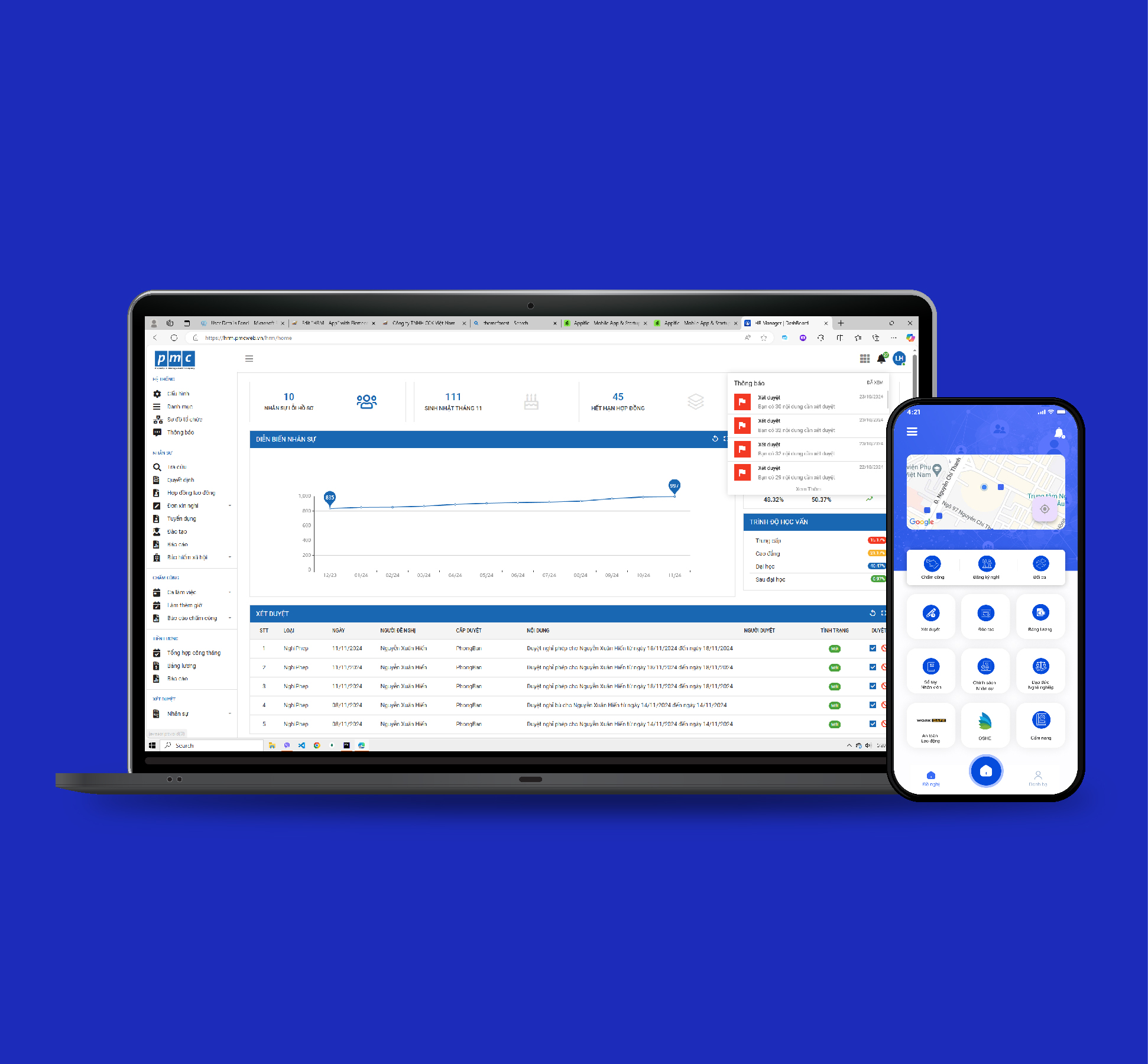
HRM

Creating software for Astarte Medical involves a meticulous process aimed at addressing their specific needs and objectives. It begins with thorough research and planning to understand the requirements goals of the project.

Industry: Computer software

Country: Germany, Issum

HRM-01

MOBILE APP - WEB

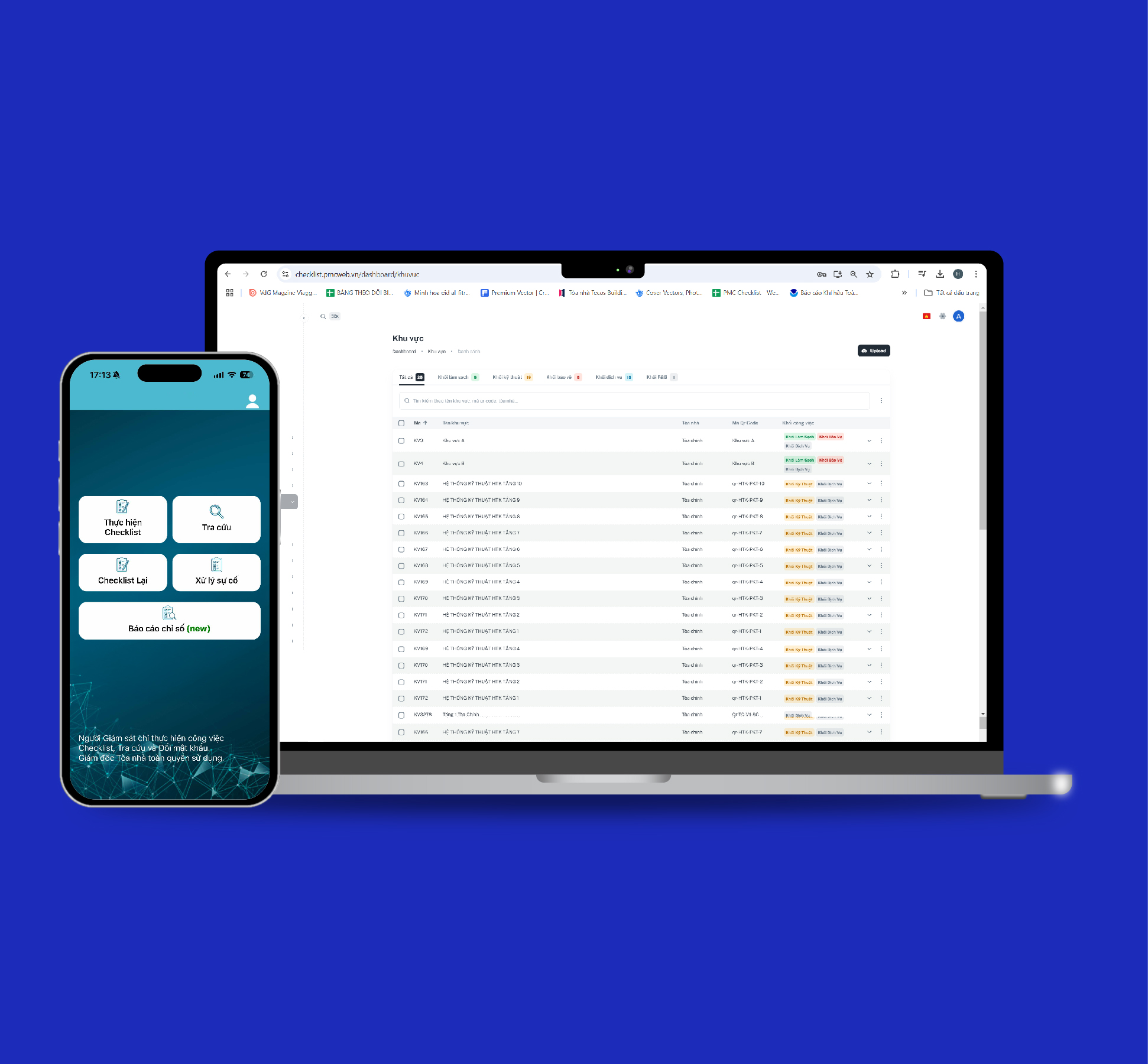
CHECK LIST

Creating software for Astarte Medical involves a meticulous process aimed at addressing their specific needs and objectives. It begins with thorough research and planning to understand the requirements goals of the project.

Industry: Computer software

Country: Germany, Issum

checklist-01

WORKING PROCESS

Our Approach

01. Requirements Gathering and Analysis
  • Requirements Gathering: Work with clients and stakeholders to understand their needs and requirements.
  • Requirements Analysis: Evaluate and analyze the requirements to determine the necessary and feasible functionalities of the software.
  • Define Project Scope: Set the scope of work, objectives, and expectations for the project.
  • Project Planning: Determine timelines, resources needed, and create a detailed work plan.
  • Architectural Design: Build the overall system architecture, including databases, system structure, and modules.
  • User Interface (UI/UX) Design: Design the user interface to be intuitive and user-friendly, ensuring a good user experience.
    • Wireframes: Create basic sketches of the pages or screens in the application.
    • Mockups: Create detailed designs with colors, images, and typography.
    • Prototype: Create a prototype to test and refine the UI design before starting development.
  •  
  • Coding: Write the source code based on the defined design.
  • Unit Testing: Test and ensure that individual components work correctly.
  • Integration Testing: Test the interactions between different components of the system.
  • System Testing: Test the entire system to ensure it works according to the requirements.
  • User Acceptance Testing (UAT): Allow the client or end-users to test the system to ensure it meets their requirements.
  • Deployment Preparation: Prepare the production environment, install, and configure the system.
  • Deployment: Launch the software into the live environment.
  • Support and Maintenance: Provide technical support and maintain the software after deployment.
  • Updates and Improvements: Update and enhance the software to meet new requirements or improve performance.

OUR TECHNOLOGIES

We Use Technologies

Typescript

Java

Ruby

Angular

JavaScript

Python

Vue

.Net

Laravel

React JS

C++

PHP

My SQL

Mairia DB

MS SQL

MongoDB

Oracle

SQLite

PostgreSQL

Realm

You are here

3,900+ customers win deals with CCK

Initiating Your Journey to Success and Growth.

F.A.Q

Need a Support?

Q. How to choose a software development company?

Choosing a software development company is a crucial decision that can significantly impact your project’s success. Here are some key factors to consider when making your choice:

A custom software development company specializes in creating tailored software solutions designed to meet the specific needs and requirements of individual clients or businesses. Unlike off-the-shelf software products that offer general functionality for a wide range of users, custom software is developed from scratch or customized to address unique business processes, challenges, or objectives.

Here are some key aspects of custom software development companies:

  1. Tailored Solutions: They design and build software solutions that are specifically tailored to fit the client’s exact requirements, workflows, and goals.

  2. Expertise and Specialization: They often have expertise in various technologies and industries, allowing them to deliver solutions that leverage the latest technologies and best practices.

  3. Full Development Lifecycle: Custom software development companies typically handle the entire development lifecycle, including requirement analysis, design, development, testing, deployment, and maintenance.

  4. Scalability and Flexibility: Custom software can be designed to scale with the business’s growth and adapt to changing needs over time.

  5. Integration Capabilities: They can develop solutions that integrate seamlessly with existing systems, databases, and third-party services.

  6. Ongoing Support and Maintenance: They provide support and maintenance services to ensure the software remains functional, secure, and up-to-date.

  7. Collaborative Approach: They work closely with clients to understand their needs, provide regular updates, and make adjustments based on feedback throughout the development process.

Custom software development companies cater to businesses seeking unique solutions that off-the-shelf software cannot adequately address, providing personalized and innovative technology solutions.

Businesses may need custom software development for several reasons:

  1. Unique Requirements: Off-the-shelf software often cannot address the specific needs or workflows of a business. Custom software is designed to meet these unique requirements, providing functionality and features that are tailored to the organization’s processes.

  2. Competitive Advantage: Custom software can offer features and capabilities that are not available in standard solutions, helping businesses gain a competitive edge by improving efficiency, productivity, and differentiation in the market.

  3. Integration with Existing Systems: Custom software can be developed to integrate seamlessly with existing systems and databases, ensuring smooth data flow and consistency across different applications.

  4. Scalability: As businesses grow, their needs and processes may evolve. Custom software can be designed to scale and adapt to changing requirements, providing a long-term solution that grows with the business.

  5. Enhanced Security: Custom software can be developed with specific security measures tailored to the business’s needs, ensuring better protection of sensitive data and compliance with regulations.

  6. Improved Efficiency: Custom solutions can automate manual processes and streamline workflows, reducing time and effort spent on repetitive tasks and improving overall operational efficiency.

  7. Flexibility and Control: Businesses have complete control over the features, design, and functionality of custom software. This flexibility allows for adjustments and updates as needed without being constrained by the limitations of off-the-shelf solutions.

  8. Better User Experience: Custom software can be designed with a user interface and experience that align with the preferences and needs of the organization’s employees, leading to higher adoption rates and satisfaction.

  9. Cost-Effectiveness in the Long Run: While the initial investment in custom software may be higher, it can be more cost-effective in the long run by reducing the need for expensive modifications or workarounds with off-the-shelf software.

  10. Ownership and Intellectual Property: Custom software development gives businesses ownership of the software and its intellectual property, allowing them to leverage it as a unique asset and protect it from competitors.

Overall, custom software development provides businesses with tailored solutions that align with their specific goals and needs, offering greater flexibility, control, and potential for long-term success.


The cost of custom software development can vary widely based on several factors, including:

  1. Complexity of the Project: More complex projects with advanced features, integrations, and custom functionalities will generally cost more than simpler projects.

  2. Scope and Size: The size of the project, including the number of features, modules, and overall functionality, impacts the cost. Larger projects with more extensive requirements will be more expensive.

  3. Technology Stack: The choice of technologies, frameworks, and platforms can influence the cost. Cutting-edge or specialized technologies may require higher development costs.

  4. Development Team Location: Costs can vary significantly depending on the location of the development team. Companies in regions with higher labor costs (e.g., North America or Western Europe) generally have higher rates compared to those in regions with lower labor costs (e.g., Eastern Europe, Asia).

  5. Experience and Expertise: The experience and expertise of the development team or company can impact pricing. More experienced teams with a proven track record may charge higher rates.

  6. Timeline: The project’s timeline can affect costs. Rushed projects or those with tight deadlines may incur additional charges due to expedited development.

  7. Design and User Experience: Custom designs and user interfaces tailored to specific needs can increase costs, especially if extensive user research or high-level design work is involved.

  8. Maintenance and Support: Ongoing maintenance, support, and updates after the initial development phase can add to the overall cost. It’s essential to factor in these long-term expenses.

  9. Project Management and Communication: Effective project management and communication can influence costs. A well-defined project scope and clear communication can help avoid scope creep and additional expenses.

OUR ARTICLES

Latest Articles

You are here

Let's Start

Initiating Your Journey to Success and Growth.

Send us a message, and we'll promptly discuss your project with you.